
Speakers are listed in the order of their confirmation.
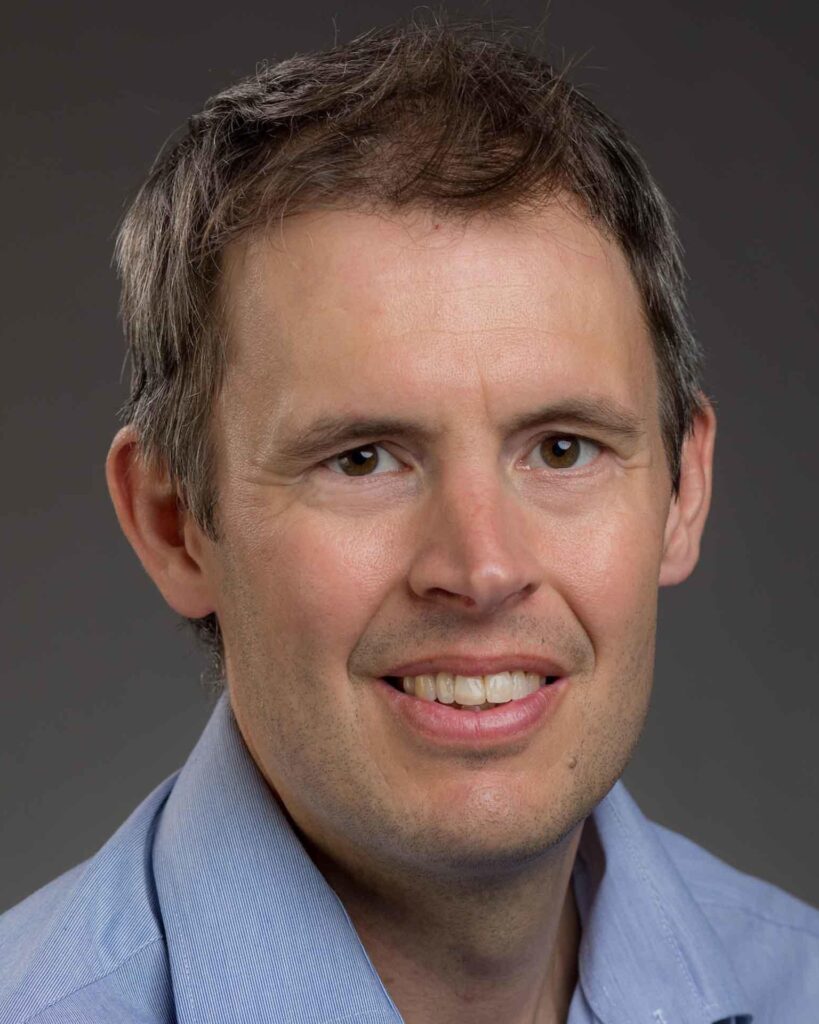
Duncan England: “Phase microscopy and 3D scene reconstruction with spatially entangled photons” (invited)
Duncan England earned an MSc in physics and astronomy from the University of Durham in 2006, and a DPhil in atomic and laser physics from the University of Oxford in 2011. After focusing on ultracold atoms and molecules for his graduate studies, he developed an interest in quantum optics during a postdoc at Oxford. In 2012, he joined the National Research Council for a two-year postdoc and liked it so much that he never left. During his 14 years at NRC, his research interests spanned a range of topics, including quantum memories, quantum random number generation, and quantum imaging, which will be the subject of this talk.
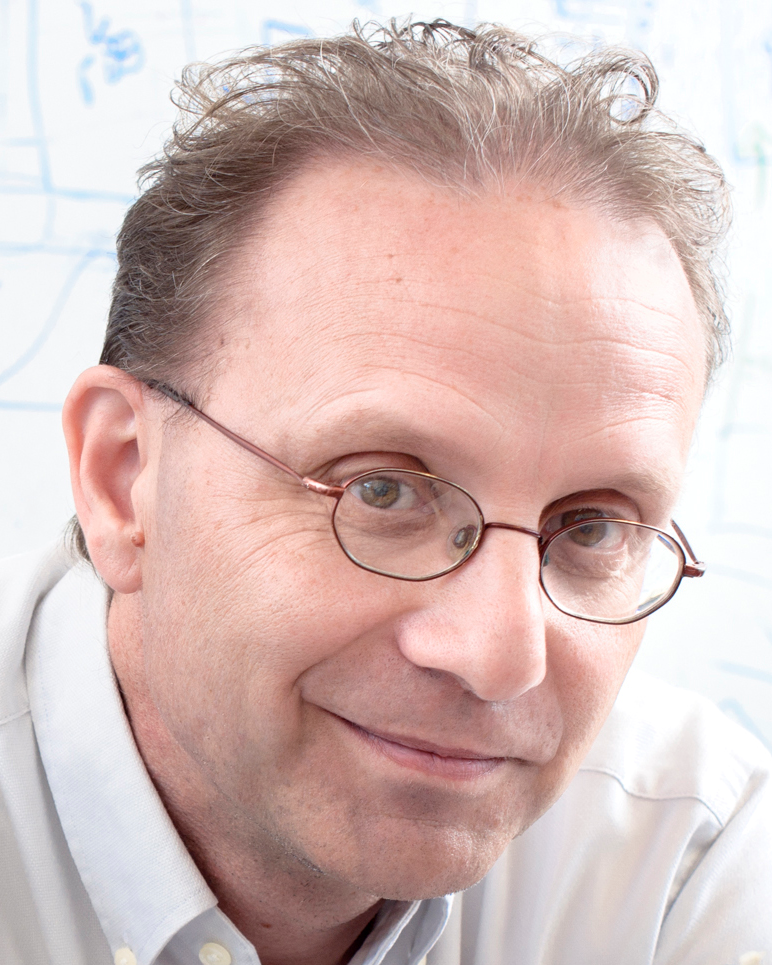
Edoardo Charbon: “Quantum Imaging through SWIR Sensors”
Edoardo Charbon received his Diploma from ETH Zurich, M.S. from UC San Diego, and Ph.D. from UC Berkeley, all in electrical engineering. After roles at Cadence Design Systems and Canesta Inc., he joined EPFL in 2002, where he is full professor. From 2008 to 2016 he held a chair at TU Delft. He pioneered deep-submicron CMOS SPAD technology and, since 2014, Cryo-CMOS circuits for scalable quantum computing. He has authored over 500 papers, two books, and holds 31 patents. He is a fellow of IEEE and Optica and recipient of the 2023 IISS Pioneering Achievement Award.
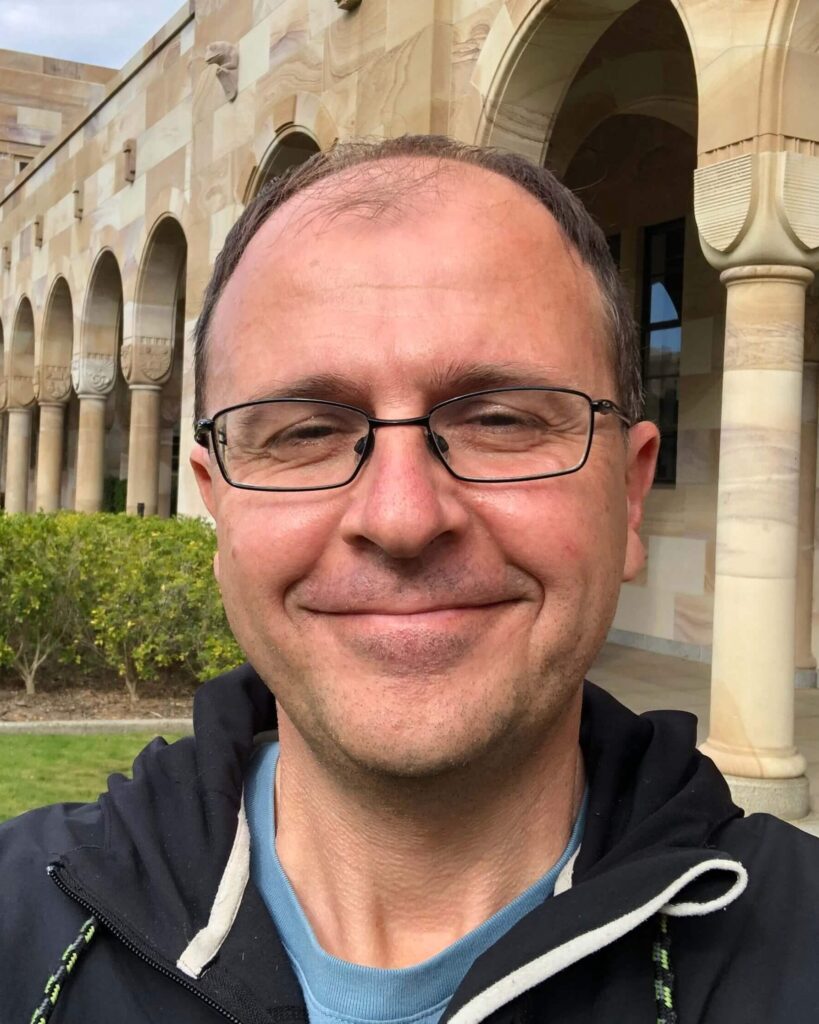
Andrew White: “Stretching telescopes using single photons“
Andrew was raised in a Queensland dairy town, before heading south to Brisbane to study chemistry, maths, physics and—during World Expo—the effects of alcohol on uni students from around the world. Deciding he wanted to know what the cold felt like, for his PhD he first moved to Canberra, then Germany, before postdocing at Los Alamos National Labs in New Mexico—where he quickly discovered that there is more than enough snow to hide a cactus, but not nearly enough to prevent amusing your friends when you sit down. He is currently exploring and exploiting the full range of quantum behaviours with an eye to engineering new technologies and scientific applications.
Avi Pe’er: “Generation and Detection of Hyperentangled Bell States at an Ultra-High Flux“
Prof. Avi Pe’er is an expert in quantum optics and laser physics. His research focuses on harnessing the optical bandwidth resource for quantum science and technology, applying ultra-broadband entangled photons and squeezed light for quantum communication, sensing, and photonic quantum computing. He also studies mode-locked lasers and coupled parametric oscillators for frequency comb generation and precision measurement. Pe’er is a full professor in the Physics Department and BINA Center for Nanotechnology at Bar-Ilan University, which he joined in 2008 after postdoctoral research at JILA, University of Colorado. He earned his PhD in physics from the Weizmann Institute in 2005.
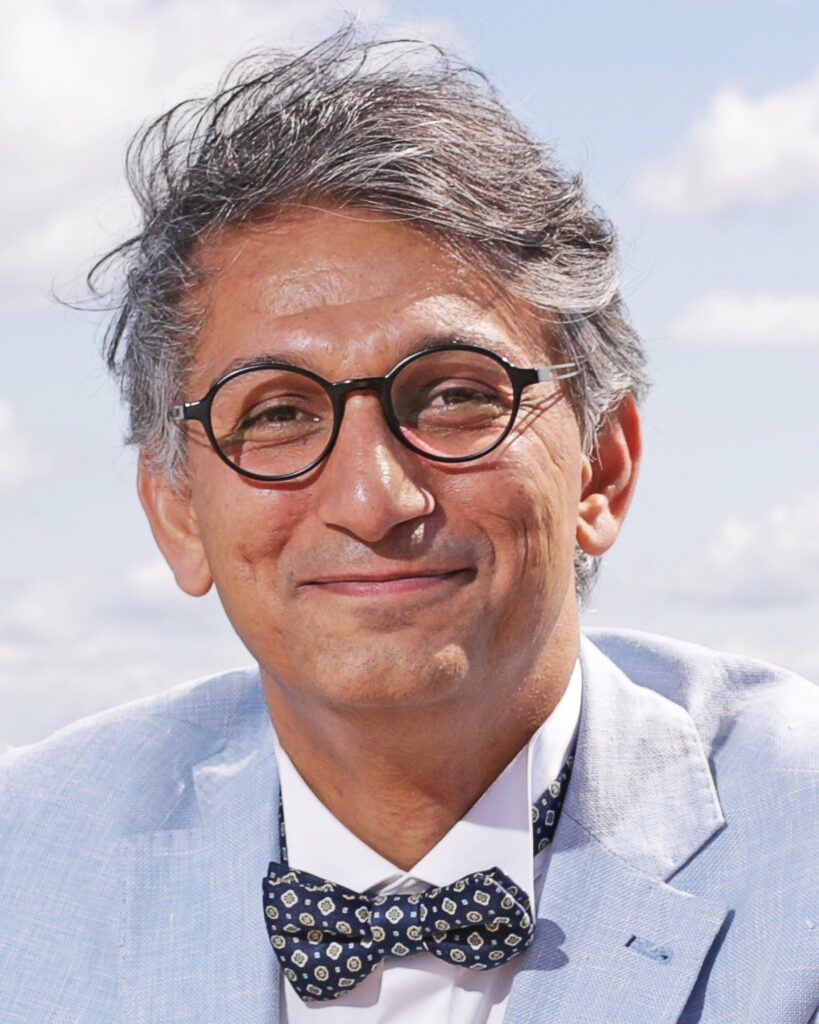
Ebrahim Karimi: “Bio-photon quantum imaging” (invited)
Prof. Ebrahim Karimi is an expert in quantum optics, structured waves, and quantum information science. His research focuses on structured light, high-dimensional quantum communication, quantum imaging, and geometric and topological effects in optics and matter waves. He is Professor of Physics at Chapman University and served as Professor and Tier 1 Canada Research Chair at the University of Ottawa, where he co-founded NexQT.
Dan Oron: “Image augmentation with photon correlations“
Dan Oron is a professor at the department of Molecular Chemistry and Materials Science at the Weizmann institute. His main research interests are at the interface between light and the nanoscale, studying both the interaction of light with nanostructured materials (mostly inorganic and hybrid semiconductor nanocrystals), optical superresolution methods based on measurements not associated with the intensity of scattered light, e.g. photon statistics or phase, and the optics of biological nanostructured materials and their biomimetic analogs.
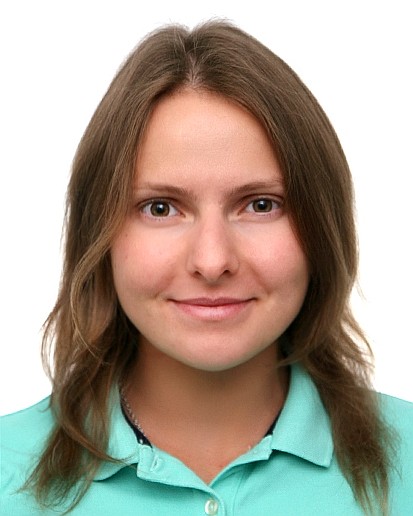
Vira Besaga: “Two-Photon Quantum Polarimetry with Entanglement for Tissue-like Scattering Media“
Vira Besaga received her doctorate in 2020 from Ruhr University Bochum, where she worked on high-precision imaging and metrology using digital holography. In 2021, she joined Friedrich Schiller University Jena for postdoctoral research in quantum imaging and sensing. Following a postdoctoral appointment at Paderborn University in 2025, she returned to Jena, where since 2026 she has been leading the junior research group Quantum and Hybrid Light, funded through the Quantum Futur program of the BMFTR. Her current work explores hybrid states of light and their potential applications in quantum polarization-based sensing.
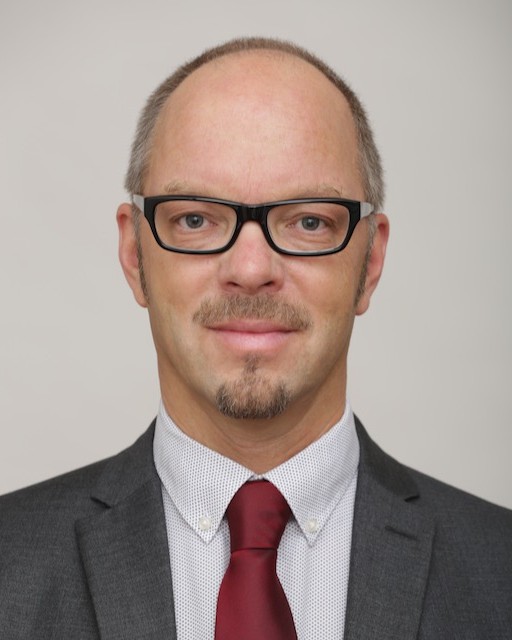
Roman Schnabel: “Quantum Radiometric Calibration“
Roman Schnabel received his doctorate in atomic spectroscopy in 1999 and was a Feodor Lynen Research Fellow at the Australian National University, where he worked on quantum teleportation. From 2003 to 2014, he was (junior) professor at Leibniz Universität Hannover and pioneered the squeezed light technology. Since 2014, he is at the Institute of Quantum Physics of the University of Hamburg. His research interests include the concept and applications of quantum correlations. He is co-founder of Noisy-Labs GmbH, member of the LIGO Scientific Collaboration and the Academy of Sciences in Hamburg. His awards and honors include the APS 2013 Joseph F. Keithley Award.
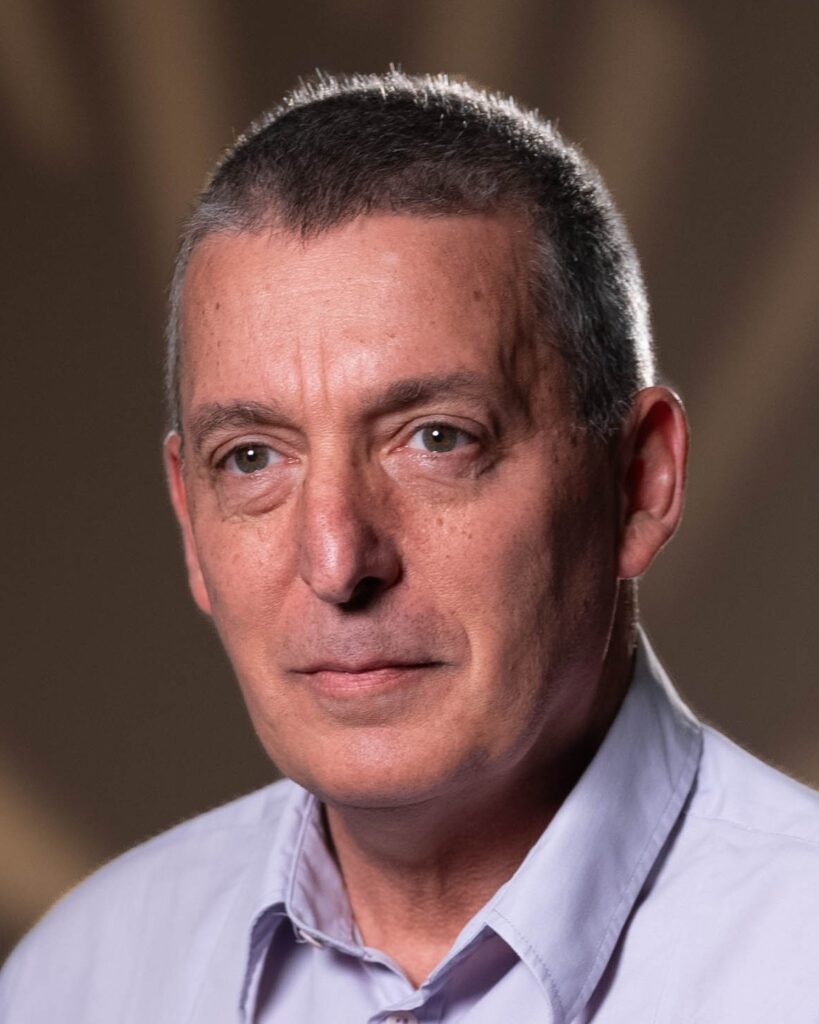
Ady Arie: “Quantum sensing of angular rotation and birefringence using structured quantum light“
Ady Arie is a Professor of Electrical Engineering at Tel-Aviv University (TAU), Israel and the Head of the TAU Center for Light-Matter Interaction. He holds the Marko and Lucie Chaoul Chair in Nano-Photonics and is a Fellow of Optica. He won the Kadar Foundation Award (2016) and the Lifetime Achievement Award for Excellence in Research by TAU (2025). He served as a Topical Editor of Optics Letters and as an Associate Editor of Optica. Since 2025 he is a Deputy Editor of Optics Express. He is also the chair of the national academic steering committee on Quantum Science and Technology. His research in the last years is in the areas of classical and quantum nonlinear optics, hydrodynamics and electron optics.
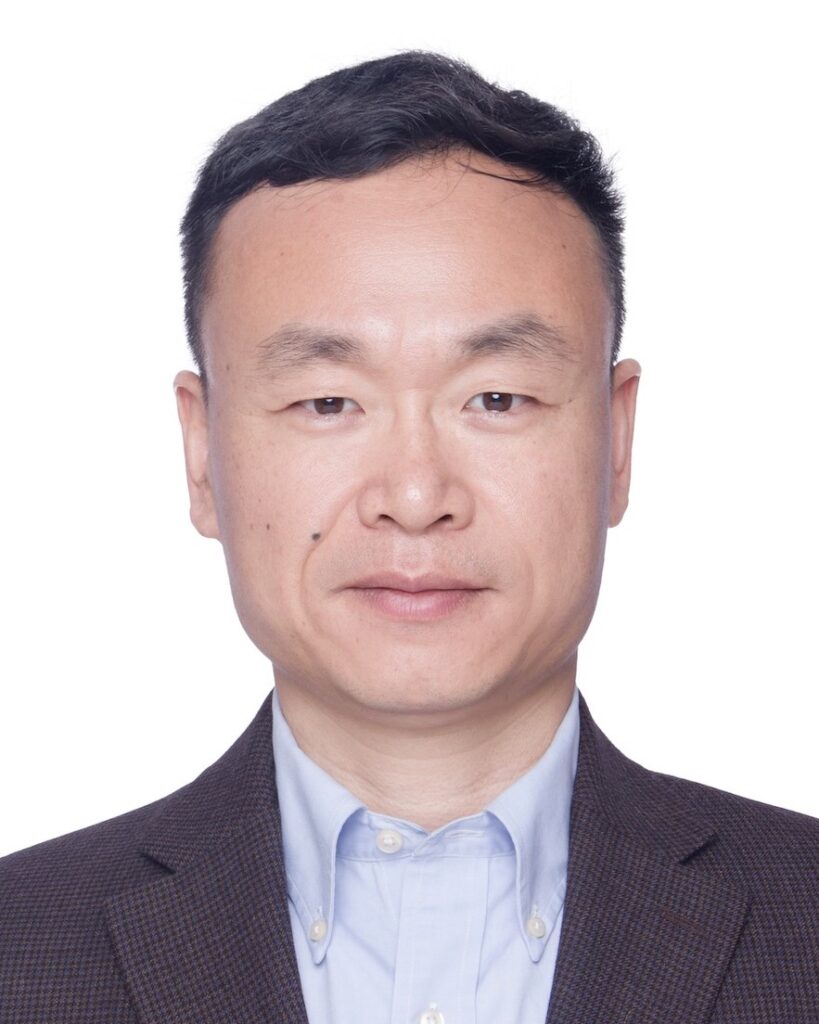
Dawei Wang: “Quantum Squeezing Enhanced Photothermal Microscopy“
Dawei Wang is a Qiushi Distinguished Professor at the School of Physics, Zhejiang University, China. He made pioneering contributions to quantum optics, including topological states of quantized light, quantum simulation in room-temperature superradiance lattices, and quantum optical imaging and detection. He received the Willis E. Lamb Award for Laser Physics and Quantum Optics and was elected an OPTICA Fellow. He was awarded the National Natural Science Funds for Distinguished Young Scholars of China and the China Youth Science and Technology Award.
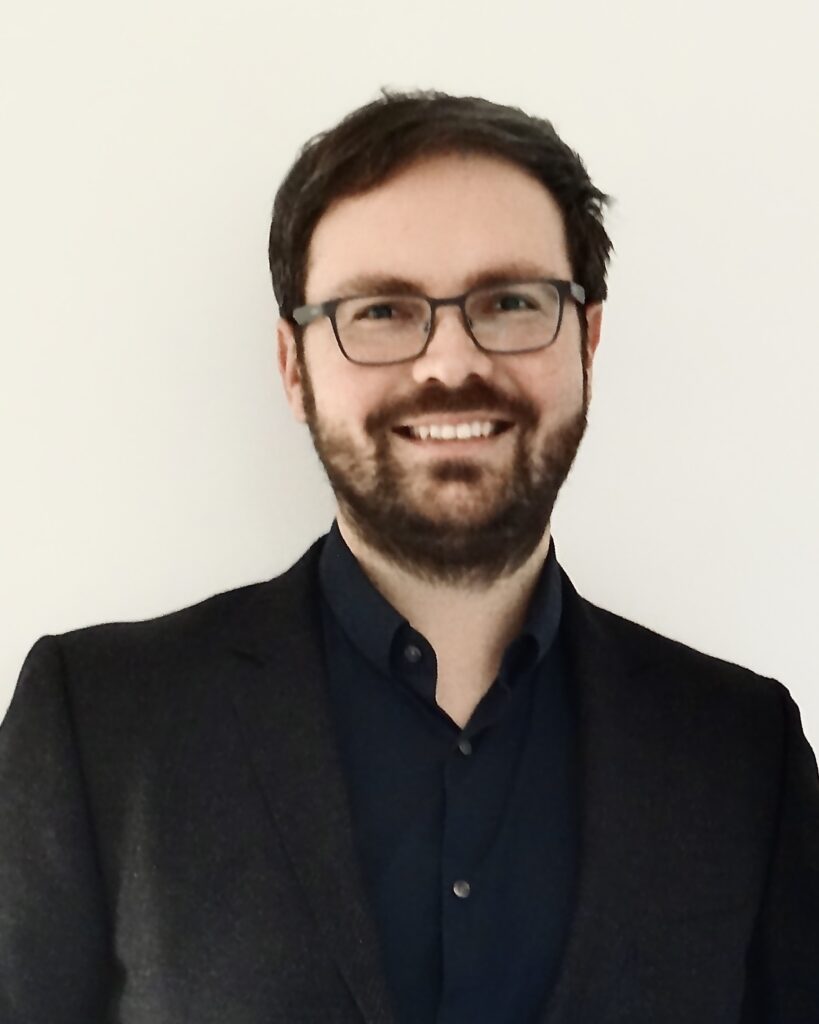
Frank Schlawin: “Quantum Metrology in ultrafast spectroscopy“
Frank Schlawin is a research group leader at the Max Planck Institute for the Structure and Dynamics of Matter and the University of Hamburg. He received his PhD from the University of Freiburg, where he started to work on the theory of quantum-enhanced nonlinear spectroscopy. He then became a postdoc at the University of Oxford, focusing on optical control of quantum materials. His contributions to quantum spectroscopy were recognized with several awards, such as the Werner-von-Siemens fellowship. His current research focuses on the application of quantum metrology to ultrafast spectroscopy and imaging, and to the use of macroscopic quantum states of light for optical control.
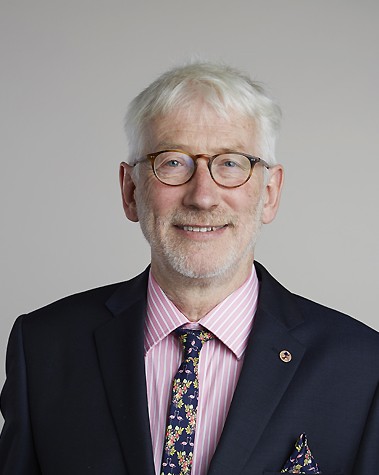
John Rarity: “Quantum interference for near to far infrared sensing” (invited)
Professor John G. Rarity FRS is a pioneer of quantum technologies at the University of Bristol. His group has worked on long range Quantum key distribution (QKD) over fibre and free space culminating in a 144 km free-space quantum key distribution experiment between Tenerife and La Palma in 2007. His feasibility studies of space to ground QKD led to development of lightweight transmitters for the UK SPOQC Cube satellite mission launched in 2026. Of interest to this conference is his recent work on non-linear quantum interferometry for mid- and far-IR gas sensing. His early research helped build the foundations for emerging quantum technologies and in recognition of this pioneering work in quantum interferometry, communications and entanglement he was awarded the IOP Thomas Young Medal in 1994 and the 2023 Micius prize.